
Technology & Process
A detailed look at the MorFuels integrated biorefinery — from moringa cultivation to premium biodiesel production.
Seed Yield per Hectare (tonnes/yr)
Oil Content by Weight
Biodiesel Conversion Rate
Cetane Number
Feedstock
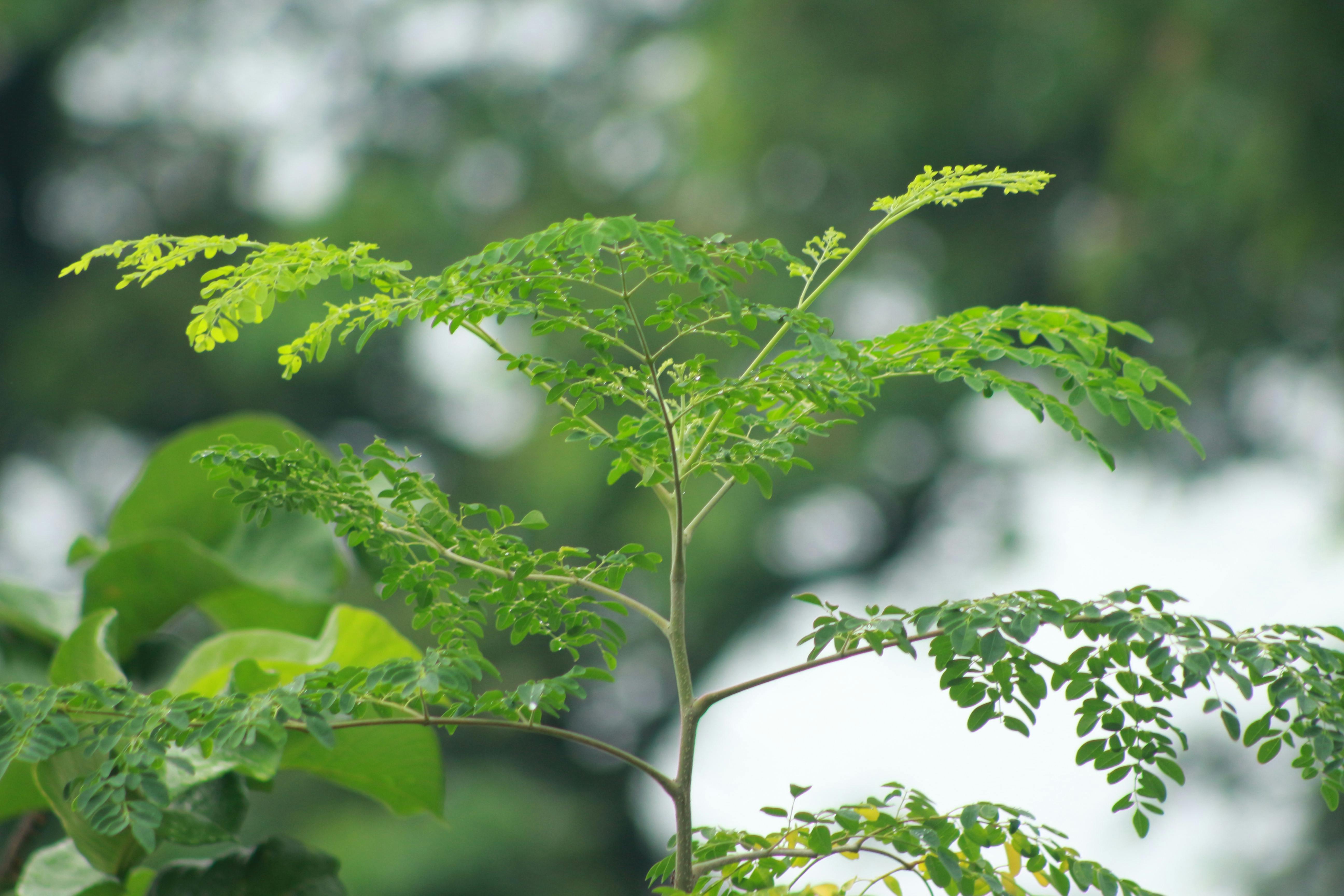
Moringa Cultivation
Moringa oleifera is ideally suited to Northern Australia's tropical and semi-arid climate, requiring minimal irrigation and no prime agricultural land.
Rapid growth — harvestable within 12 months of planting
Low water requirements — 250mm annual rainfall sufficient
Thrives on marginal and degraded land
Natural nitrogen-fixing capability improves soil
Year-round harvesting in tropical climates

Production
Biorefinery Process
Our six-stage integrated process converts moringa into premium biodiesel and high-value co-products.
Harvest & Separation
Mechanical harvesting separates seeds, leaves, and woody biomass for parallel processing streams.
Oil Extraction
Cold-press mechanical extraction followed by solvent extraction achieves 95%+ oil recovery.
Transesterification
Two-stage acid-base catalyzed transesterification converts moringa oil to FAME biodiesel.
Biodiesel Refining
Water washing, drying, and filtration produce EN 14214 / ASTM D6751 compliant biodiesel.
Co-Product Processing
Leaves are dried and pelletized for stock food; press cake is processed into organic fertilizer.
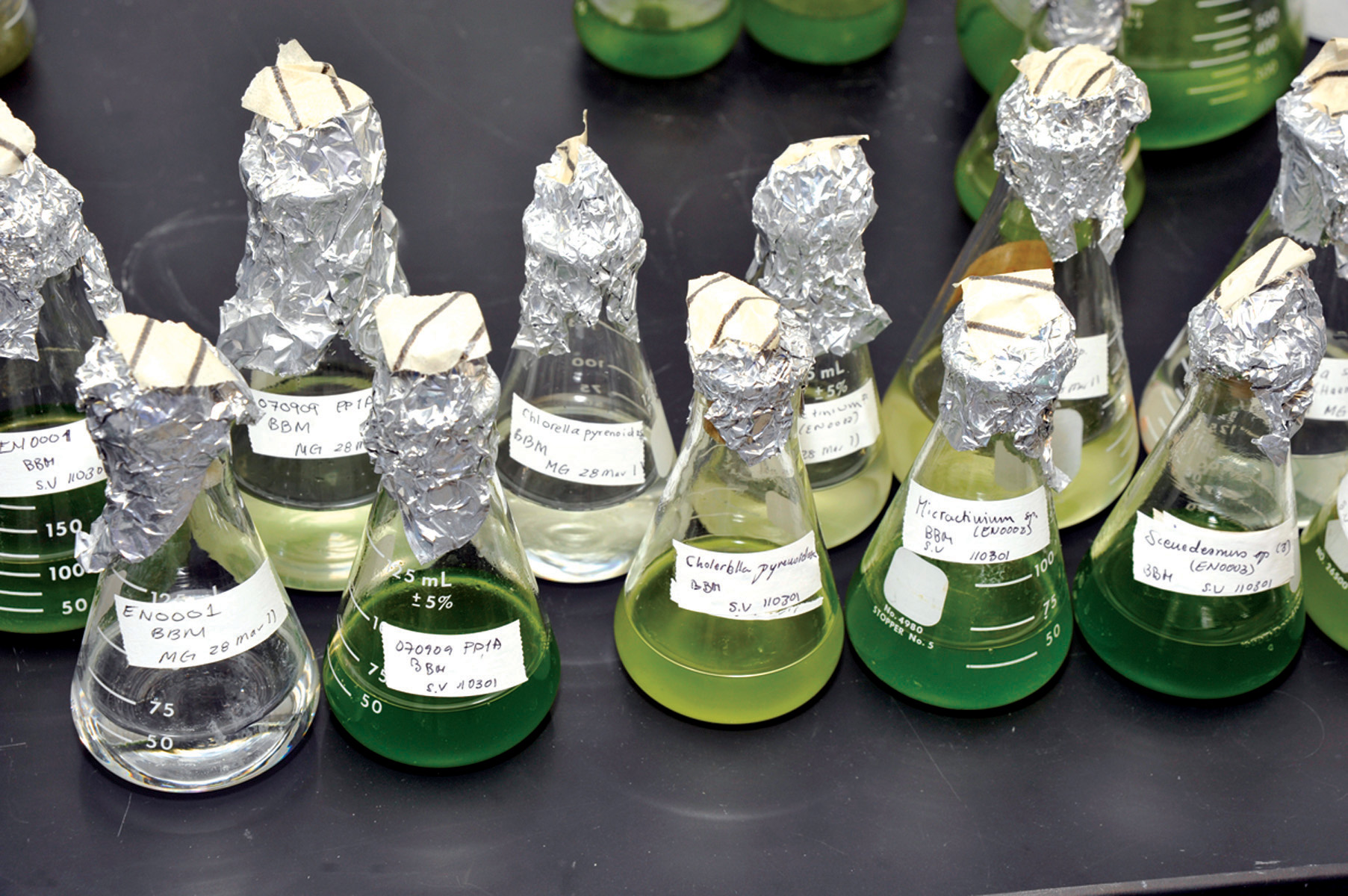
Quality Assurance
Continuous laboratory testing ensures all products meet international quality standards.
Mass Balance per Hectare
Annual yield breakdown from one hectare of moringa plantation.
3,000 kg
Seeds Input
1,200 kg
Crude Oil
1,200 kg
Biodiesel
120 kg
Glycerol
1,800 kg
Press Cake (Fertilizer)
12+ tonnes
Dry Leaf Matter (Stock Food)
Fuel Quality
Superior Fuel Quality
Moringa biodiesel delivers exceptional fuel properties, outperforming many competing biodiesels.
Significantly higher than conventional diesel (~52) and other biodiesels
Excellent oxidative and thermal stability for long-term storage
Reduced CO and unburned hydrocarbons vs fossil diesel
Compatible with standard diesel engines, especially in B20 blends